

What online poker is
Online poker is a competitive card game where you play against other players, not the casino. The poker room makes money via:
- rake (a small fee taken from many pots), and/or
- tournament fees (buy-in + fee).
Your long-term results depend on skill, discipline, and game selection—not “house edge” like slots.
Main types of online poker
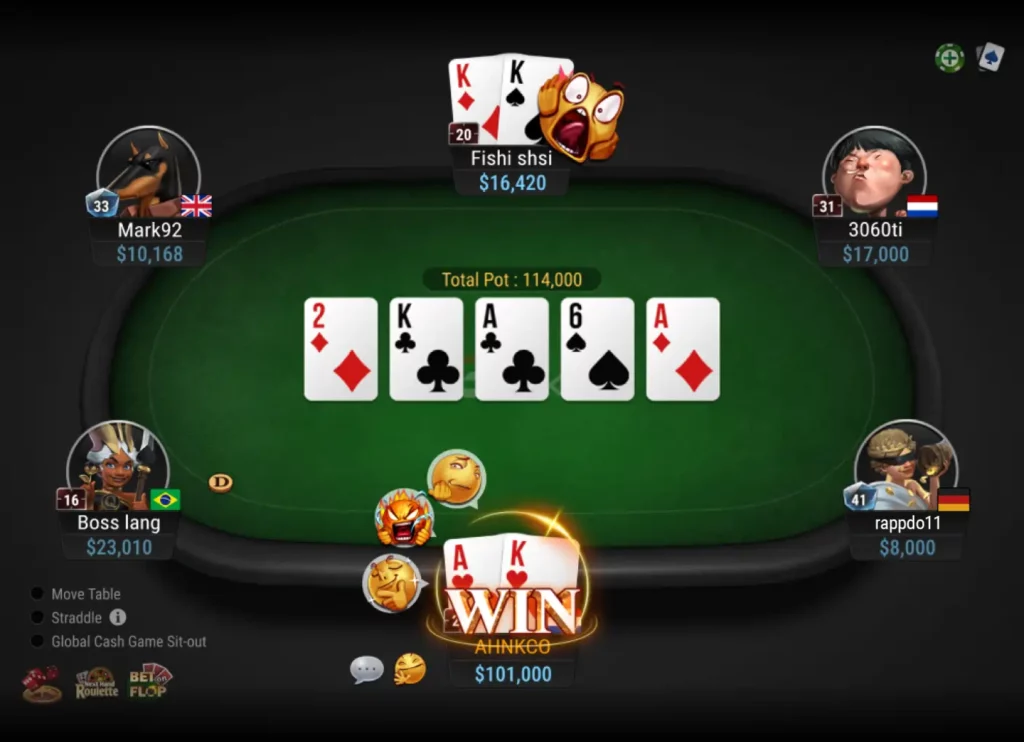
Cash games
You buy chips and sit at a table. You can leave anytime.
Key traits
- Flexible session length
- Blinds determine stakes (e.g., €0.01/€0.02)
- Rake is taken from pots
Tournaments (MTT)
Many players join, blinds rise over time, payouts go to top finishers.
Key traits
- Higher variance (big swings)
- Potential for big wins from small buy-ins
- Requires time commitment
Sit & Go (SNG)
Small tournaments that start when enough players register.
Key traits
- Faster than MTTs
- Payouts to top few
- Good for structured sessions
Fast-fold formats
You fold and instantly get a new hand at a new table.
Key traits
- Lots of hands per hour
- Great for practice and volume
- Can increase tilt risk due to speed
Table 1 — Poker formats at a glance
| Format | Session control | Variance | Best for |
| Cash games | High | Medium | Steady grinding, flexibility |
| MTT tournaments | Low–medium | High | Big score potential |
| Sit & Go | Medium | Medium–high | Short structured play |
| Fast-fold | Medium | Medium | High volume and learning |
Poker variants you’ll see online
- Texas Hold’em (most common)
- Omaha (higher action and bigger swings)
- Short Deck (where available; very swingy)
- Stud / Draw variants (less common)
Table 2 — Hold’em vs Omaha (quick comparison)
| Topic | Hold’em | Omaha |
| Hand strength | Moderate | Stronger hands required |
| Variance | Medium | Higher |
| Beginner-friendly | More | Less (more combos) |
| Typical action | Balanced | More multiway pots |
The hidden cost: rake and fees
Rake matters a lot for small-stakes players.
What to check
- Rake percentage and cap
- Tournament fee structure
- Whether jackpot tables / promotions increase fees indirectly
- Loyalty/VIP return value (if any)
Table 3 — Rake checklist
| Item | Why it matters | Good sign |
| Rake % | Impacts long-term win rate | Competitive and clearly stated |
| Rake cap | Limits cost in big pots | Sensible cap for the stakes |
| Tournament fee | Lowers ROI | Transparent and reasonable |
| Leaderboards | Can add value | Not “pay-to-chase” traps |
Bankroll basics (simple but real)
Poker has variance even for strong players.
A practical rule of thumb
- Cash games: keep ~30–50 buy-ins for your level
- MTTs: keep ~100–200 average buy-ins (variance is huge)
If that sounds heavy, drop stakes until it feels safe.
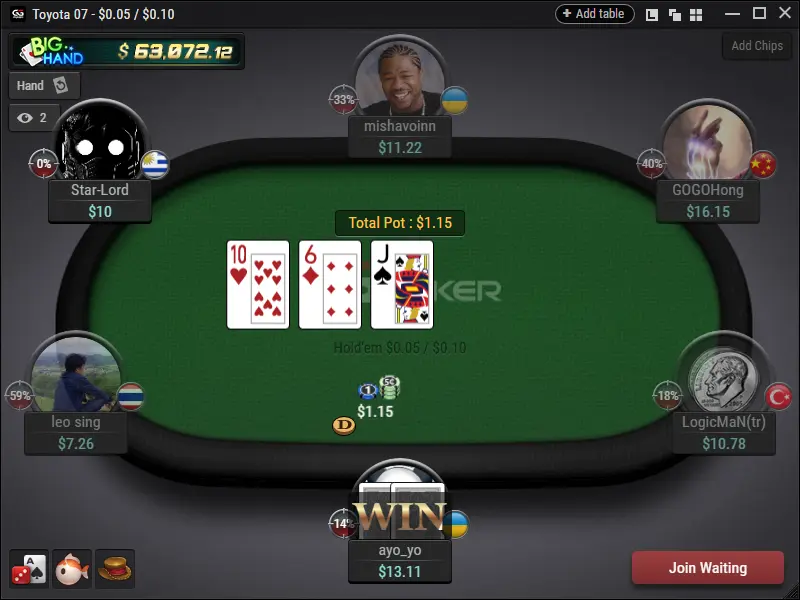
Table 4 — Bankroll template
| Format | Your stake | Suggested cushion | Your bankroll |
| Cash | 30–50 buy-ins | ||
| MTT | 100–200 buy-ins | ||
| SNG | 50–100 buy-ins |
How to choose a good poker room (without naming brands)
Must-have features
- Clear rules on rake and withdrawals
- Strong security (2FA, fraud controls)
- Stable software and multi-table support
- Fair game integrity measures (anti-collusion/bot detection)
- Responsible gaming tools (limits, time-outs)
Red flags
- Unclear rake/fee structure
- Random account freezes with vague explanations
- Soft support that can’t explain payout rules
- “Guaranteed profits” marketing claims
Beginner tips that actually help
- Start with one format (cash or MTT) and learn it well
- Play tighter early; avoid marginal hands out of position
- Track sessions (results + mistakes, not just profit)
- Quit when tilted; speed formats amplify tilt
- Focus on decision quality, not short-term outcomes
FAQ
Is online poker legal?
It depends on your country. Always use regulated rooms where applicable.
Can I win without bonuses?
Yes. Bonuses help, but skill and game selection matter more long-term.
What’s better for beginners: cash or tournaments?
Cash games are often simpler to learn because stacks don’t shrink via blind increases. But tournaments can be fun if you accept variance.
How important is rake?
Very. At low stakes, rake can be the difference between winning and breaking even.
How do I avoid going broke fast?
Play lower stakes, keep enough buy-ins, and stop playing when tilted.